


By Folasade Akpan
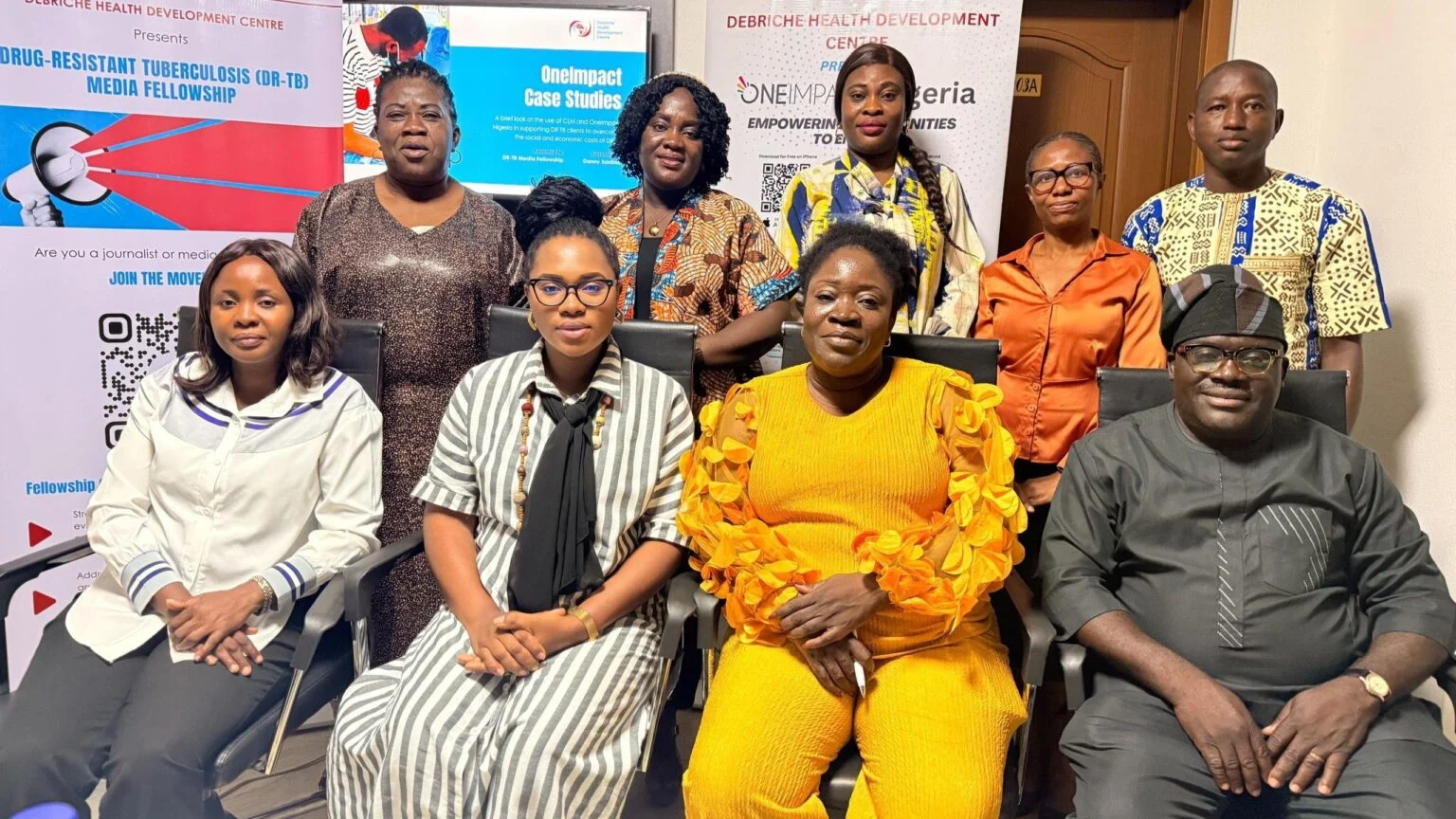
Mrs Folasade Akpan, a Senior Editor at the News Agency of Nigeria (NAN), has been selected for the inaugural Drug-Resistant Tuberculosis (DR-TB) Media Fellowship organised by the Debriche Health Development Centre (DHDC).
The fellowship aims to strengthen evidence-based reporting on the disease.
Akpan is among five journalists selected from more than 50 applicants for the fellowship, which aims to improve public awareness, challenge misconceptions about DR-TB and promote accountability in Nigeria’s tuberculosis response.
The other fellows are Marcus Fatunmole of the International Centre for Investigative Reporting (ICIR), Modupe Aduloju of Kapital FM, Ojoma Akor of Health and Science Africa, and Oluwatomisin Amokeoja of Forbes Africa.
The fellowship, supported by Stop TB Partnership, Geneva, and implemented in collaboration with the National Tuberculosis, Buruli Ulcer and Leprosy Control Programme (NTBLCP), was inaugurated at an orientation workshop held in Abuja on Friday.
The workshop exposed the fellows to the medical, social and economic realities of DR-TB, as well as journalism’s role in shaping public understanding and Nigeria’s response to the disease.
In his opening remarks, the National Coordinator of NTBLCP, Dr Clement Adesigbin, highlighted the influence of media reporting on public understanding of tuberculosis and DR-TB.
He said misinformation and misconceptions could negatively affect prevention, diagnosis, treatment and support for people affected by the disease.
The fellowship also introduced the journalists to OneImpact Nigeria, a community-led monitoring platform that documents challenges faced by people affected by tuberculosis.
The platform captures barriers such as transportation difficulties, financial constraints, stigma, discrimination and nutritional challenges, which could affect treatment adherence.
It provides journalists with community-generated evidence to investigate issues that may not be adequately reflected in routine programme data and monitor whether identified challenges are addressed.
The Executive Director of DHDC, Mrs Deborah Ikeh, said the fellowship would equip journalists with the knowledge, access and resources to produce stories that went beyond statistics.
“The media plays a critical role in shaping public understanding and influencing the response to DR-TB.
“Through this fellowship, we want to equip journalists with the knowledge, access and resources to tell stories that go beyond statistics, amplify the voices of affected communities and draw attention to the barriers that require urgent action,” she said.
Ikeh said responsible, evidence-based reporting could strengthen accountability and accelerate progress towards ending tuberculosis in Nigeria.
She said the fellows would engage with national and international experts, government institutions, development partners, programme stakeholders and people affected by TB to develop evidence-based stories.
The stories would examine disease burden, delays in diagnosis, treatment access barriers, catastrophic healthcare costs, financial pressures on affected households and stigma.
They would also highlight success stories, promising practices and interventions improving the TB response while demanding accountability from relevant institutions and stakeholders.
DHDC and NTBLCP would support the fellows with information and access to relevant sources, including experts, programme stakeholders and, where ethically permissible, people affected by DR-TB willing to share their experiences.
The fellowship is expected to strengthen community-centred reporting, improve public understanding of DR-TB and highlight systemic barriers requiring action in Nigeria’s tuberculosis response.(NAN)
Edited by Abiemwense Moru

Comments