


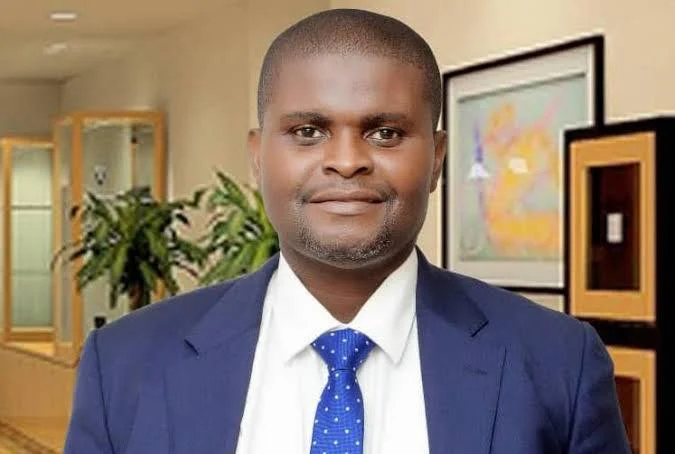
By Nana Musa
Abuja, Sept. 30, 2026 (NAN) Dr Obinna Chima, Saturday Editor of ThisDay Newspaper, says Nigeria needs a future-ready financial media to build a resilient financial system.
Chima said this at the 38th Seminar for Finance Correspondents and Business Editors on Wednesday in Abuja.
He spoke on the theme, “The Role of the Media in Building a Future-ready Financial System”.
Chima said that Nigeria’s financial system was undergoing major transformation through bank recapitalisation, tax reforms, fintech innovation and Artificial Intelligence (AI).
According to him, the rapid changes require journalists covering the sector to continuously improve their knowledge and reporting skills.
Chima said that the media remained critical because financial systems depended, not only on capital and technology, but also on public trust.
He described financial journalists as a bridge between technical financial institutions and Nigerians who might not understand banking, monetary policy and financial markets.
Chima urged journalists to connect banks, regulators, businesses, market women, students, teachers, policymakers and other members of society through accurate information.
He said that the changing financial landscape meant journalists could no longer remain static in their approach to reporting.
He urged finance correspondents to become interpreters of financial information rather than merely reporting figures and official announcements.
“Journalists must examine what financial figures mean and how policies affect businesses, consumers and the wider economy,” he said.
He identified bank recapitalisation, tax reforms and the fintech revolution as major developments shaping Nigeria’s financial system.
Chima said that the developments should be viewed as part of the broader transformation of the country’s financial architecture.
He also highlighted the opportunities and dangers created by the speed at which information travels through digital platforms.
“Technology enables journalists to reach millions of Nigerians quickly, but also allows misinformation to spread rapidly.
“Journalists should make verification a defining discipline of modern financial reporting.
“They should establish information sources, authenticate documents, verify claims independently and ensure that reported information remains current.
“Speed is important in journalism, but accuracy and credibility should not be sacrificed,” he said.
The editor also urged the media to play a stronger role in explaining financial reforms and promoting financial literacy among Nigerians.
He said increasing digital access did not automatically translate into financial understanding.
According to him, the information gap could become as dangerous as the financial access gap.
Chima said that citizens using sophisticated financial products without adequate understanding could remain vulnerable despite being financially included.
He also identified governance and accountability as areas where the media must exercise its watchdog responsibility.
He urged journalists to scrutinise financial institutions and public-sector agencies before governance failures developed into major crises.
Chima, however, cautioned journalists against becoming alternative regulators or public-relations extensions of financial institutions.
“The media’s watchdog role must be exercised with knowledge, fairness, independence and professional judgment.
“There is a need for stronger collaboration among financial institutions, regulators, professional bodies and media organisations to improve financial journalism.
“Training should move beyond occasional seminars to sustained capacity building for journalists covering the financial sector.
“Future finance journalists must understand banking, economics, accounting, technology, data, cybersecurity, artificial intelligence and digital regulation,” China said.
He said that journalists should be able to read annual reports, interpret balance sheets, analyse datasets and interrogate regulatory statements.
According to him, AI will significantly influence journalism, making continuous professional development increasingly important.
He said that the future of journalism would involve combining technology with professional judgment rather than replacing journalists with technology. (NAN)
Edited by Kadiri Abdulrahman



Comments