


By Charity Nwosu
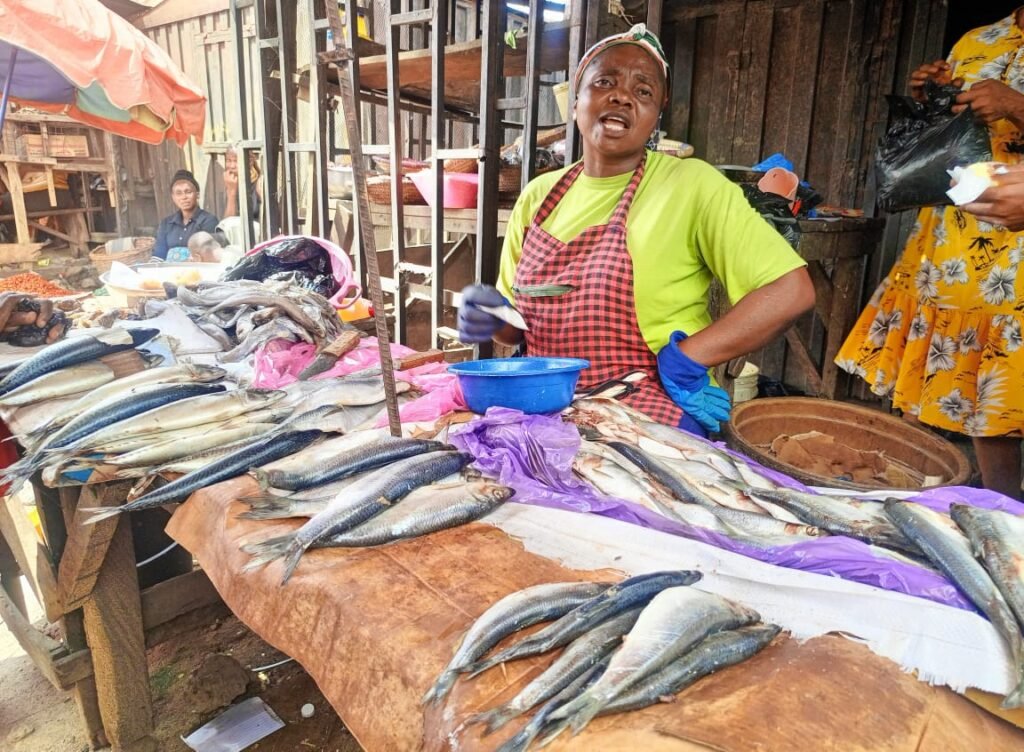
Fish traders and consumers in Dei-Dei and Kubwa Markets, FCT have expressed concern over rising fish prices, saying many households can no longer afford the commodity.
A News Agency of Nigeria (NAN) correspondent who visited the markets on Tuesday, reports that the prices of fresh, frozen and smoked fish have increased significantly in recent weeks.
Some traders attributed the increase to the rising cost of transportation, fish feed, fuel, cold storage and other operational expenses.
Mrs Eze Lucy, a fish trader at Dei-Dei Market, said the high cost of doing business had forced many sellers to increase prices.
“The price of fish is too high now compared to before. Prices have more than doubled in many cases.
“A carton of Original Titus now sells for about N140,000, Kampala Titus costs N78,000, Shawa sells for N80,000, while Kpanla costs about N47,000.
“The continuous increase is making it difficult for many traders and consumers to afford fish.
“I buy fish on credit. Government financial support would help me buy stock outright and run my business more effectively,” she said.
Another trader at Kubwa Market, Mr Sani Ibrahim, said while customers frequently complained about the high prices, traders were equally struggling to remain in business.
“Rising transportation, ice block and storage costs have increased the overall cost of selling fish, forcing traders to raise prices in spite of the impact on consumers.
“Many customers now buy smaller quantities because they can no longer afford what they used to purchase.
“People who used to buy two or three fishes now settle for one or cheaper sizes because of the high prices,” he said.
Some consumers described the situation as placing additional pressure on their household budgets.
Mrs Mercy Emmanuel, a resident, said fish, once considered one of the most affordable sources of protein, had become increasingly difficult for many families to purchase regularly.
“We depend on fish because it is healthier and sometimes cheaper than meat, but now it is becoming difficult to afford.
“We now buy smaller quantities or choose cheaper alternatives because we cannot afford the amount we used to purchase,” she said.
Also speaking, Mr Abdulahi Usman urged the government to support fish farmers with affordable feed, better infrastructure and low-interest loans to boost production and reduce fish prices.
He also called for measures to address rising transportation costs, saying they had contributed significantly to the increase in fish prices.
Some stakeholders also urged the government to tackle inflation, improve electricity supply and reduce the cost of transporting food items across the country.
They expressed hope that government interventions in agriculture and fisheries would help make fish more affordable for consumers.(NAN)(www.nannews.ng)
Edited by Magdalene Ukuedojor



Comments