


By Vivian Emoni
The Federal Government says Nigeria is prioritising domestic production, investment and industrial growth to create jobs, strengthen businesses and drive sustainable prosperity across the country.
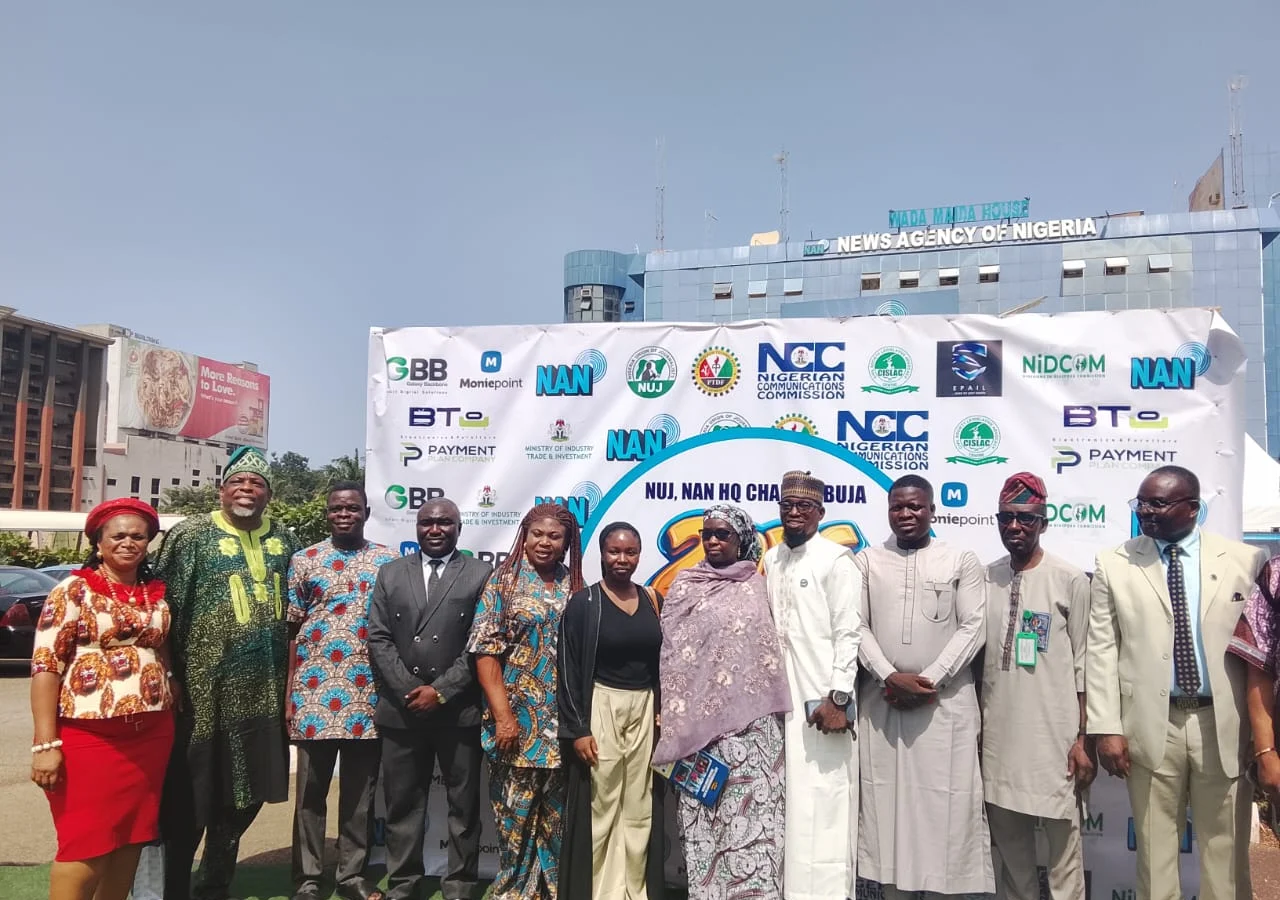
Dr Jumoke Oduwole, Minister of Industry, Trade and Investment, said this while delivering her keynote address at the 2026 News Agency of Nigeria (NAN)/Nigeria Union of Journalists (NUJ) Press Week in Abuja on Wednesday.
The theme of the press week is “Harnessing Nigeria’s Economic Potential for Greater Prosperity,” which highlights the need to harness economic opportunities for inclusive national development.
Oduwole, represented by Mrs Augustina Obilor-Duru, Deputy Director and Head of the ministry’s Press and Public Relations Department, said achieving Nigeria’s economic potential required fiscal discipline, monetary stability and policies supporting production and competitiveness.
She said the government was committed to removing barriers to investment, production and trade while creating conditions for businesses to expand, generate employment and contribute to economic development.
The minister described domestic production as central to economic prosperity, emphasising the need for Nigeria to manufacture more goods consumed locally, including food, clothing, cement and vehicles.
She said cement manufacturing grew by 11.53 per cent in the first quarter of 2026, while motor vehicle assembly expanded by 5.44 per cent during the period.
According to her, vehicle assembly increased by 40.6 per cent in 2025, while cassava starch production recorded growth of 474.74 per cent over the period.
“Processing locally grown cassava into industrial starch will support manufacturers, while vehicle assembly will create opportunities for engineers, technicians and supply-chain businesses,” she said.
Oduwole, however, acknowledged financing challenges facing manufacturers seeking equipment, raw materials and funds to expand their operations, increase production capacity and create employment opportunities.
She said the N75 billion Manufacturing Sector Fund had been fully disbursed to 104 manufacturing businesses to support industrial development and strengthen domestic production.
She added that the MSME Intervention Fund had disbursed N65.8 billion to 15,018 businesses by the first quarter of 2026 to support enterprise growth.
The minister said the impact of such interventions should be measured through stronger businesses, increased production and improved livelihoods, rather than funding figures alone.
She said capital importation reached 23.22 billion dollars in 2025, with another 10.37 billion dollars recorded in the first quarter of 2026.
Oduwole said Nigeria’s Special Economic Zones had generated more than 20,000 direct jobs, highlighting investment’s contribution to employment, industrialisation and economic development.
“Government is strengthening bilateral investment frameworks, improving the business environment and deploying a Virtual Deal Room to connect investors with credible, investment-ready projects,” she noted.
The minister urged predictable regulation, prompt resolution of investor concerns and stronger collaboration with state governments to attract investments and improve Nigeria’s business environment.
She added that Nigeria needed investments that expanded production, sustained businesses and created lasting opportunities for workers, entrepreneurs and communities across the country.
Oduwole said the Federal Government was committed to expanding market access and value addition to strengthen non-oil exports and improve the competitiveness of Nigerian businesses.
She said formally documented non-oil exports reached 6.1 billion dollars in 2025, up from 5.46 billion dollars recorded in 2024.
According to her, Nigerian businesses exported 281 different products, reflecting the growing competitiveness of local farmers, manufacturers and entrepreneurs in international markets.
“Greater value addition would increase opportunities for farmers, processors, manufacturers and young people while enabling Nigerian businesses to retain more economic value,” she said.
The minister emphasised the need to process more agricultural commodities locally, citing opportunities to transform cocoa into chocolate and cassava into industrial starch.
She said the African Continental Free Trade Area (AfCFTA) presented significant opportunities for Nigerian businesses, noting that intra-African trade had grown by 21 per cent.
Oduwole said the air cargo corridor inaugurated with Uganda Airlines in May 2025 and expanded through RwandAir in June 2026 was helping exporters access East and Southern African markets.
She said the initiative could benefit small businesses, including plantain chips producers, wig makers and fashion entrepreneurs seeking customers beyond Nigeria’s borders.
The minister added that the National Single Window processed 96,035 documents between March and July 2026, supporting efforts to simplify trade procedures and improve efficiency.
“The Trade Intelligence Report, inaugurated by the ministry recently, will improve access to market information and help Nigerian enterprises participate in international trade,” she said.
Oduwole said the National Talent Export Programme was connecting Nigerian professionals with international employers and clients, supporting the target of one million export-linked jobs by 2030.
She added that the government was developing a National Outsourcing Policy to attract international businesses, strengthen talent development and position Nigeria competitively in global outsourcing.
The minister said Nigeria would host CANEX Weekend 2026 from Nov. 5 to Nov. 8 in Lagos, bringing together stakeholders in the creative industry.
She said CANEX would connect Nigerian creative businesses with investors, buyers and partners, turning creativity into commercial opportunities and supporting the growth of the creative economy.
Oduwole thanked NAN/NUJ for convening the conversation and commended NAN for its continued contributions to journalism and national development.
“Let us remain focused on building an economy in which more Nigerians can participate, contribute and prosper,” she said.(NAN)
VOE/AMM
========
Edited by Abiemwense Moru

Comments