


By Uchechi Afonne
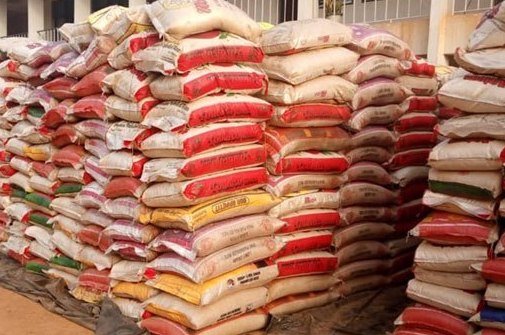
Stakeholders have called for expanded food fortification, particularly rice, to address micronutrient deficiencies and hidden hunger in Nigeria.
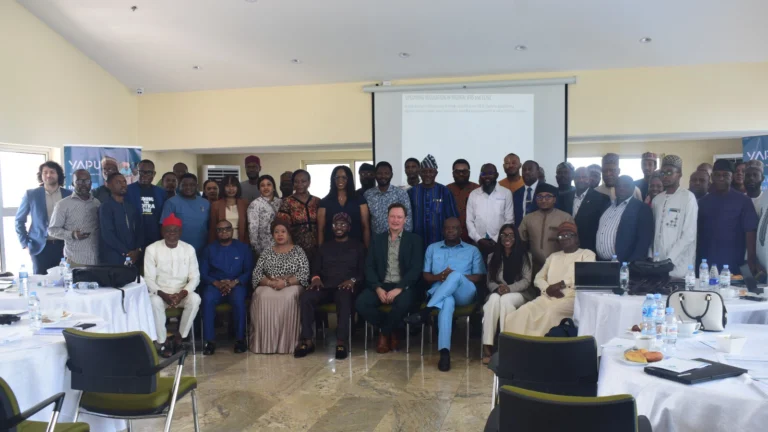
A Food Safety and Quality Officer with the World Food Programme (WFP), Mr Robert Irimat, made the call during a media session in Lagos.
The session was organised by TechnoServe in collaboration with the WFP on Friday in Lagos.
Irimat said rice was being considered as an additional fortification vehicle because of its widespread consumption and importance in Nigerian households.
He said micronutrients, including vitamins and minerals, were required in small quantities but were essential for growth, energy production and other body functions.
According to him, deficiencies in essential micronutrients could contribute to wasting, stunting, anaemia and impaired brain development.
He said children and other vulnerable groups were particularly at risk of the consequences of micronutrient deficiencies.
Irimat said iron deficiency remained a major concern among children, adolescent girls and women of reproductive age.
He also identified vitamin A and zinc deficiencies as major concerns among children under five.
The WFP official said inadequate nutrition could affect children’s growth, learning and overall development.
“Zinc is important for brain development and growth,” Irimat said, urging parents to pay greater attention to the nutritional quality of children’s diets.
He said poor classroom performance or reduced participation could sometimes be linked to inadequate nutrition rather than lack of intelligence.
“Don’t blame the child,” he said, urging parents to address concerns about the quality of food given to their children.
Irimat described food fortification as the addition of nutrients to staple foods during production to improve their nutritional value.
He said fortification was among the most cost-effective interventions for addressing micronutrient deficiencies.
According to him, fortification enables several nutrients to be delivered through commonly consumed foods.
Irimat said Nigeria already had extensive experience with food fortification, particularly through salt iodisation, which began in 1992.
He said Nigeria achieved Universal Salt Iodisation certification in 2005, becoming the first country in Africa to receive the certification.
He said Nigeria also fortified wheat flour and other products with nutrients, including vitamin A, iron and zinc.
Irimat said sugar, vegetable oil and margarine were among products fortified with vitamin A.
He, however, said existing fortification programmes could not address all micronutrient deficiencies, making additional food vehicles necessary.
“No single fortified food can address all micronutrient deficiencies. That is the reason why we need to add another food,” he said.
He said rice was suitable because it was widely consumed across Nigeria and had become increasingly important in household diets.
A 2022 GAIN report, citing USDA/GAIN data, puts Nigeria’s per-capita rice consumption at about 50 kilogrammes annually.
Irimat noted that rice, once considered a luxury food, had become a widely consumed staple, providing an opportunity to reach large numbers of Nigerians.
A representative of TechnoServe, Mr Seun Elere, said rice fortification involved adding selected micronutrients in measured quantities during production.
He said the process was controlled and standardised to ensure uniformity, consistency and quality in fortified rice production.
According to Elere, fortification would not require consumers to change their diets because nutrients would be added to rice they already consumed regularly.
“Fortification improves nutrition without changing eating habits. It should not change the taste. The rice remains the same,” he said.
Elere described micronutrient deficiency as “hidden hunger”, explaining that people could appear healthy while lacking essential nutrients.
He said rice fortification could increase the intake of selected vitamins and minerals without requiring consumers to alter their eating habits.
“The government uses the food that is commonly eaten to deliver those things,” Elere said, stressing the importance of staple foods in nutrition interventions.
He said Nigeria’s standards for fortified rice could provide a foundation for standardising fortified rice production across other African countries.
The stakeholders said expanding rice fortification could strengthen existing nutrition interventions by using a staple already consumed regularly by millions of Nigerians.(NAN)(www.nannews.ng)
=========
Edited by Chinyere Joel-Nwokeoma

Comments