



By Jumoke Olaitan
The Association of Wives of FCT Traditional Rulers (WOFCTTRA) has called for stronger community-based justice mechanisms to address sexual and gender-based violence, early child marriage and discrimination against women and girls in the nation’s capital.
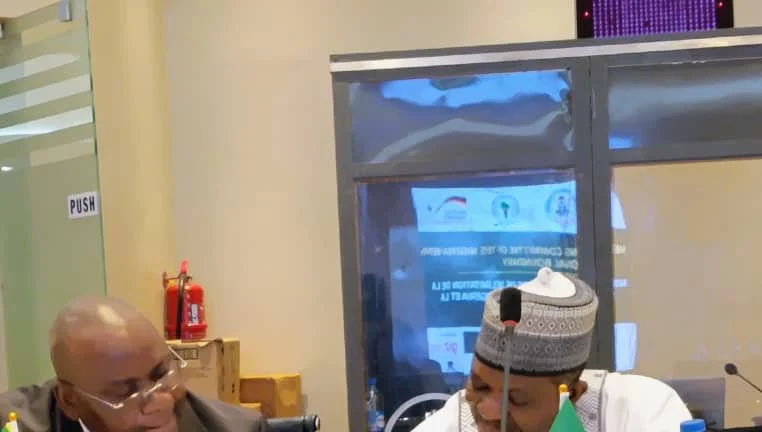
The President of the association, Hajiya Hauwa Adamu, made the call at a stakeholders’ meeting to validate the Charter of Demands for Original Inhabitants’ Women and Girls in Abuja on Friday.
The meeting was organised under the theme, “Promoting Gender Equity and Social Inclusion through Community-Based Justice Mechanisms.”
Adamu said traditional institutions had critical roles in protecting women and girls, noting that family interventions sometimes resulted in the concealment of sexual and gender-based violence cases.
“Sometimes, when cases are taken to the police, relatives intervene and persuade victims to withdraw them, allowing perpetrators to escape accountability.
“We must ensure that such cases are not treated as ordinary family matters,” she said.
She said WOFCTTRA provided women connected to traditional institutions with a platform to address challenges affecting women and children in their communities.
According to her, the association brings together women from the 17 traditional chiefdoms in the FCT to advocate girls’ education, protection and equal opportunities.
Adamu commended the MacArthur Foundation for supporting the initiative through the Resource Centre for Human Rights and Civic Education (CHRICED).
She said the Charter of Demands documented the concerns and expectations of Original Inhabitants’ women and girls and provided a framework for engaging traditional institutions, government and other stakeholders.
“We are not fighting the government; we are only appealing that what belongs to our people should not be taken away from them,” she said.
The charter identifies seven priority areas, including strengthening traditional justice systems, preventing and addressing gender-based violence, ending early and forced child marriage, and eliminating gender discrimination.
Others are the inclusion of persons with disabilities, stronger government and institutional accountability, and sustainable community ownership.
It also advocates confidential reporting and referral mechanisms, capacity-building for traditional rulers and community leaders, and collaboration between traditional institutions and statutory justice agencies.
The meeting attracted community leaders from Kuje and Gwagwalada Area Councils, royal mothers, women and youth representatives, among other stakeholders.
The project is supported by the MacArthur Foundation through CHRICED, with WOFCTTRA and other community stakeholders participating in its implementation. (NAN)
Edited by Tosin Kolade

Comments