


By Mercy Sawok
The United Nations Children’s Fund (UNICEF) has called for increased investment, stronger partnerships and innovative solutions to guarantee every child’s survival, education, protection and development.
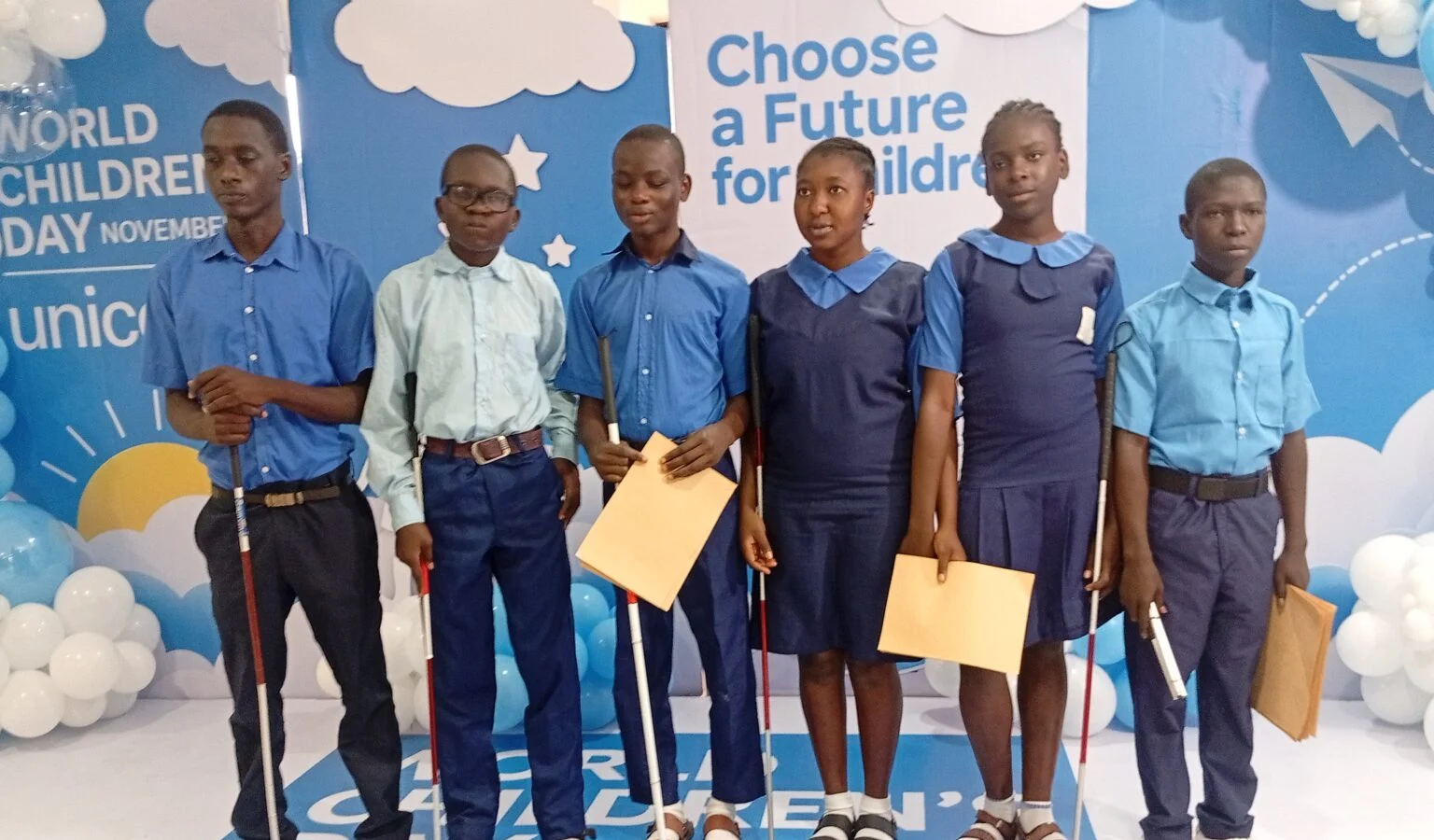
Charles Lolika, Acting UNICEF Representative in Nigeria, made the call on Friday in Abuja at the 2026 World Children’s Day celebration, themed, “Every child alive, thriving and learning: A shared responsibility.”
The event also marked 80 years of UNICEF’s global commitment to children’s welfare.
Lolika said the next phase of UNICEF’s work, beginning in 2027, required renewed commitment from governments, development partners, communities and other stakeholders to place children at the centre of national development.
He said that UNICEF had worked alongside governments and communities globally for eight decades, adding that its operations in Nigeria began in 1952.
The acting representative emphasised the importance of listening to children, saying their voices, ideas, dreams and future mattered.
Lolika acknowledged progress in maternal and neonatal health, school enrolment and sanitation but noted that Nigeria continued to face significant challenges.
He identified the high number of out-of-school children, particularly in northern Nigeria, as a major concern.
According to him, UNICEF, the government and partners were exploring alternative learning and skills-development opportunities, including apprenticeships and entrepreneurship, to support children unable to return to formal education.
He, however, said the initiatives were operating on a small scale because of funding constraints, adding that additional resources would enable their expansion.
On child protection, Lolika said UNICEF was advocating for the safety and release of children held hostage to enable their reunion with their families.
Also speaking, Lona Hvass, UNICEF Nigeria’s Chief of Communication, said progress was being made in tackling child malnutrition, although at a slower pace than desired.
Hvass identified the first 1,000 days, from conception until a child reaches two years, as critical for brain development and overall growth.
She emphasised exclusive breastfeeding for the first six months, proper maternal nutrition, healthcare and micronutrient supplementation.
She also urged employers to create supportive conditions that would enable working mothers to breastfeed their babies.
On immunisation, Hvass said Nigeria still had one of the world’s largest populations of zero-dose children, describing vaccination as essential to protecting children against preventable diseases.
She said UNICEF was collaborating with the government and trusted community members to address vaccine hesitancy and encourage parents to complete their children’s vaccination schedules.
Meanwhile, children at the event highlighted challenges affecting their education and development.
Shedrack Great, a student of the FCT School for the Blind, Jabi, Abuja, appealed for braille machines to improve learning opportunities for visually impaired pupils.
Great, who expressed ambition to become a writer, also decried inadequate recognition and sponsorship for talented children with disabilities.
He urged out-of-school children with special needs to enrol in schools and pursue their education.
Similarly, Stephanie Aliu of Junior Secondary School, Kubwa, called for improved education and nutrition, urging the government to support vulnerable children with food assistance.
Fatima Abdullahi of Wingate International School said every child deserved education and should be encouraged to pursue their dreams.
Earlier, Cristian Munduate, UNICEF Chief of Field Office, welcomed participants, describing the celebration as an opportunity to recognise children’s rights and achievements.
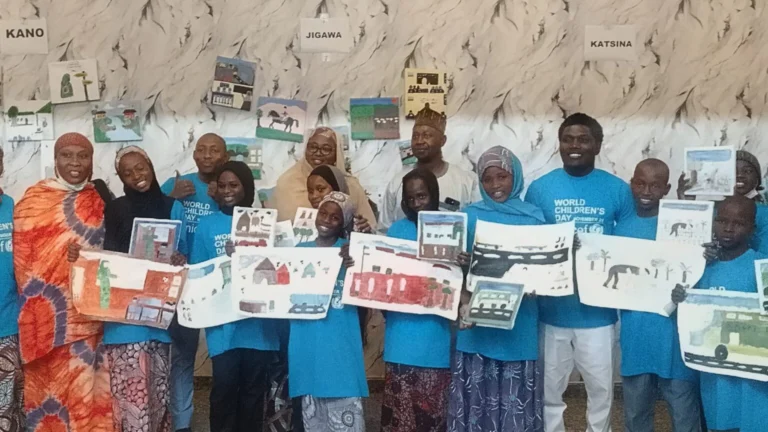
The event also featured presentations and activities by children to promote awareness of their rights and encourage their participation in decisions affecting their lives.(NAN)
Edited by Abiemwense Moru

Comments