


By Deborah Enwerem
Literary icons and other stakeholders have called for the use of literature to promote peaceful coexistence among Nigerians and preserve the nation’s rich cultural heritage.
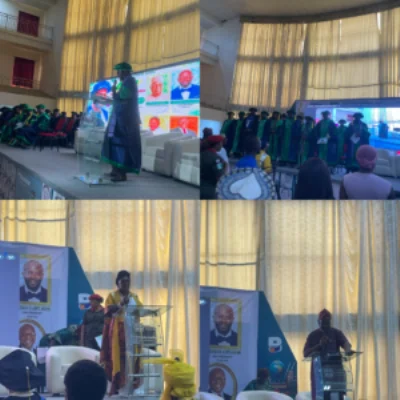
The News Agency of Nigeria (NAN) reports that the stakeholders made the call on Friday at the ongoing 45th Annual International Convention of the Association of Nigerian Authors (ANA) in Abuja.
The convention is holding at the Mamman Vatsa Writers’ Village from Oct. 29 to Nov. 1, with the theme, “Literature, National Security and the Place of Nigeria in the World”.
According to the stakeholders, literature is a veritable tool for driving national unity, moral reorientation, and cultural preservation.
Prof. Mahfouz Adedimeji, the keynote speaker, said national security should extend beyond military and physical protection to include human security, social justice, freedom of thought and the conditions necessary for people to live meaningful lives.
He described literature as an important tool for preventing conflict and strengthening international relations.
“Literature serves as early warning; literature is a form of informal diplomacy,” he said.
He said national security was also about protecting the country’s identity and ensuring that Nigerians retained control of their national narrative.
“We must secure Nigeria; most importantly, we must secure the Nigerian story, if not, others will keep defining us,” he said.
According to the Adedimeji, Nigerians are intellectually and creatively capable of achieving more, stressing the need to promote literature and the humanities.
He called for literary festivals, drama activities and book clubs, particularly for children, to cultivate reading habits and nurture creativity.
The keynote speaker noted that the achievements of Nigerian actors and writers demonstrated the country’s creative potential and capacity for greater accomplishments.
In his speech, Sen. George Akume, Secretary to the Government of the Federation (SGF),said the stories Nigerians told about themselves, their values and responses to differences had implications for the country’s future.
Akume, represented by Mrs Bekearedebo Warrens, said Nigeria’s linguistic, ethnic, religious and cultural diversity should be harnessed as a source of strength rather than a tool for division.
He said literature could communicate the consequences of injustice and encourage conversations on social justice.
The SGF urged writers to contribute to responsible citizenship, promote narratives that discouraged violence and help Nigerian literature reach wider audiences.
He also stressed the need to encourage reading among children, support young writers and strengthen institutions that provide opportunities for literary expression.
Earlier, in his opening remarks, Dr Usman Akanbi, ANA President and chief host of the event, said literature remained important in shaping national identity, interrogating societal challenges and promoting understanding among Nigerians.
Akanbi identified institutional strengthening, empowerment of writers and re-engagement with government as the three pillars of the association’s future plans.
He said the plans included developing the Mamman Vatsa writers’ village, supporting young and established writers through workshops and publishing opportunities, and working with government on national orientation and cultural development.
“We must create a conducive environment for all Nigerians, particularly our youths, to protect their future and to renew their belief in the prospects of a better Nigeria,” he said.
Akanbi also called for improved security, better road infrastructure and responsible political engagement ahead of the 2027 general elections.
“Government cannot do it alone, and citizens cannot thrive without responsible government,” he said.
Also speaking, Dr Bukar Usman described Nigeria as the motherland that citizens had a responsibility to defend.
“Nigeria is our motherland, and we will defend it,” he said.
Usman urged Nigerians not to be distracted by comparisons with foreign countries, noting that Nigeria’s security situation should be considered within its own context.
He described Nigeria as the world’s largest black nation, with great diversity, rich traditions and culture, much of which had been documented in literature and deserved preservation and promotion.
He also recalled Nigeria’s contributions to pan-African associations and stressed the importance of honesty, adding that “for people who are honest, the sky is their limit”.
The convention attracted dignitaries from different backgrounds, including writers and other stakeholders in the Nigerian literary community.
It features panel discussions, literary sessions and a book exhibition showcasing publications from ANA chapters across the country.(NAN)
Edited by Joshua Olomu
Comments