


By Eniola Elewude
The Federal Government has urged states to develop and implement hand hygiene action plans within six months to prevent infectious diseases and improve public health.
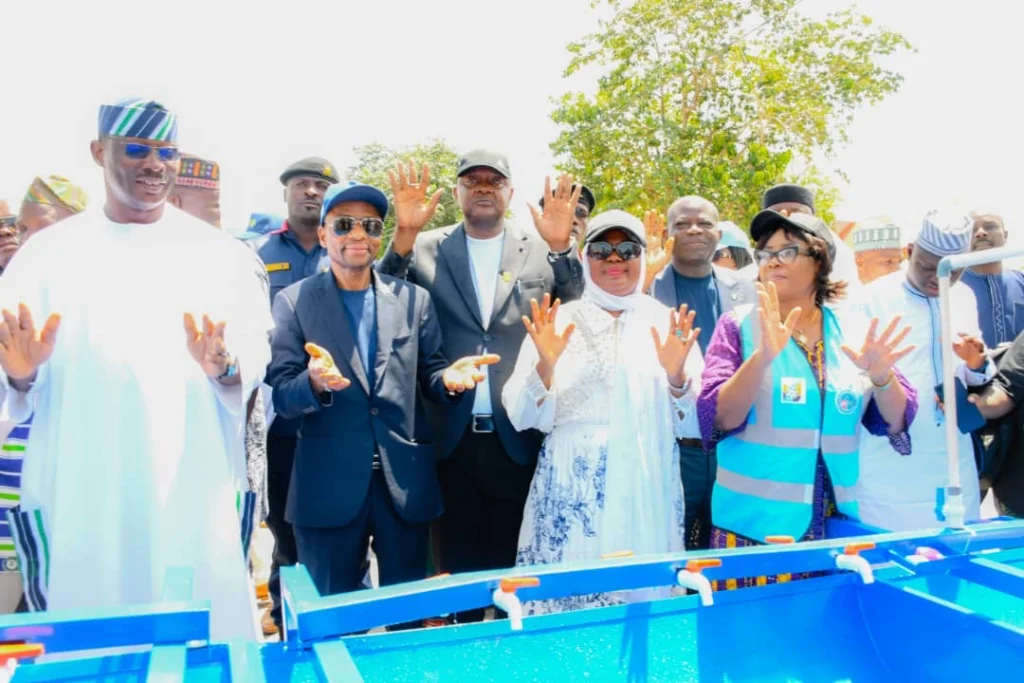
The Minister of Water Resources and Sanitation, Prof. Joseph Utsev, made the call at the 2026 Global Handwashing Day commemoration in Kwali Area Council, FCT on Thursday.
Utsev was represented by the Director Overseeing the Office of the Permanent Secretary in the ministry, Mr Ibrahim Dallah.
He said each state should identify at least one practical hand hygiene intervention for implementation within six months, with clear responsibilities, adequate funding and mechanisms to monitor progress.
The event had the theme, “Be a Handwashing Hero!”
Utsev said handwashing with soap and water remained one of the simplest and most affordable ways to prevent cholera and other waterborne diseases.
He called for stronger collaboration among governments, development partners, schools, civil society organisations, the private sector, the media and community leaders to promote sustained hygiene practices.
He also advocated school hygiene clubs, student hygiene champions and functional handwashing facilities with soap and water in schools, healthcare facilities, markets and other public places.
Utsev said the planned national hand hygiene campaign aimed to reach about one million Nigerians through physical and digital activities.
He added that a proposed national roundtable would enable states to share experiences, showcase innovations and strengthen commitments to improved hygiene practices.
The minister urged young people to practise regular handwashing, educate their peers and promote cleanliness in their homes, schools and communities.
He reaffirmed the Federal Government’s commitment to improving water supply, sanitation and hygiene services, stressing the need to sustain efforts beyond the annual commemoration.
In his welcome address, Dallah, represented by the Director of Water Quality Control and Sanitation, Mr Habu Jamilu, urged stakeholders to move beyond awareness campaigns to practical action.
Dallah called for functional handwashing facilities, clean water and soap in homes, schools, healthcare facilities, markets and other public places.
He also urged stakeholders to advance the Sustainable Urban and Rural Water Supply, Sanitation and Hygiene Programme (SURWASH) Hygiene Acceleration Agenda through stronger partnerships and measurable commitments.
The Etsu Kwali, Luka Nizasan III, said handwashing was an effective way to prevent infectious diseases and improve life expectancy.
The traditional ruler urged households, schools, markets, offices and public institutions to provide convenient handwashing facilities and encouraged community leaders to promote proper hygiene practices.
The Chairman of Kwali Area Council, Mr Nuhu Kwali, represented by the Vice Chairman, Mrs Ramatu Abdullahi, commended the ministry, UNICEF, the FCT Rural Water Supply and Sanitation Agency (FCT RUWASSA) for supporting water, sanitation and hygiene services in the area.
The Executive Secretary of FCT RUWASSA, Dr Joyce Echoke, urged participants to sustain handwashing practices and encouraged parents, teachers and community leaders to promote behavioural change.
In goodwill messages, representatives of the Federal Ministries of Health and Social Welfare and Education, UNICEF and the Society for Water and Sanitation (NEWSAN) emphasised the importance of handwashing in preventing diseases and protecting public health.
The event featured the induction of peer hygiene advocates, drama presentations, a symbolic handwashing exercise and an exhibition of handwashing solutions. (NAN)
Edited by Tosin Kolade

Comments