


By Nefishetu Yakubu
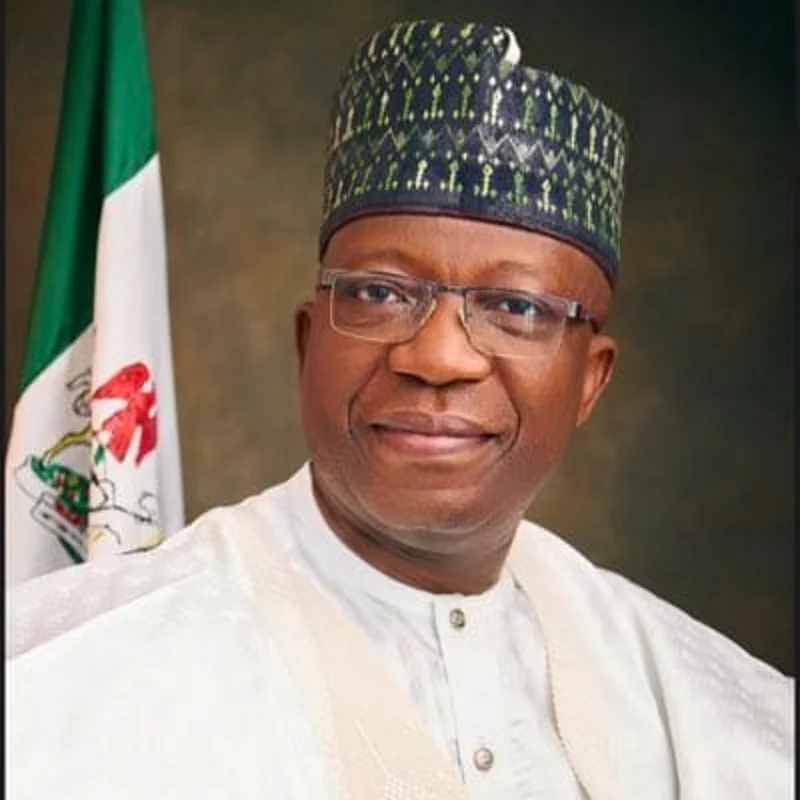
Prof. Abubakar Sulaiman, Director-General, National Institute for Legislative and Democratic Studies (NILDS), has urged African leaders to strengthen institutions, promote accountability and pursue measurable results.
A statement issued by NILDS on Sunday in Abuja said Sulaiman made the call while delivering a keynote address at the International Leadership Summit at the University of Brighton, United Kingdom.
Speaking on “Leadership in Practice: Making Decisions, Managing People and Delivering Results”, he said leadership effectiveness should be measured by the strength of institutions established and improvements in people’s lives.
“Leadership is not the privilege of those who occupy high office. It is the discipline of those who accept responsibility for changing the trajectory of institutions and improving the lives of people,” he said.
Sulaiman identified sound decision-making, effective people management and measurable results as essential elements of leadership.
He added that character, competence and vision distinguished effective leaders from people who merely held public offices.
Using NILDS as a case study, Sulaiman said strategic planning and effective implementation had expanded the institute’s operations and strengthened its capacity to support legislative and democratic institutions.
He said NILDS had increased its operational departments from four to 13, established new centres and a Democracy Radio, and expanded its research, legislative drafting, academic and capacity-building activities.
Sulaiman said the institute moved into its permanent complex on May 25, 2023, after years of delay, saying the relocation was an important step towards institutional stability and long-term development.
“That relocation was much more than a physical movement. It represented institutional stability, growth, identity and a long-term vision for democratic capacity-building,” he said.
The director-general said sustainable institutional development required leaders to address persistent challenges, invest in employees’ skills and create opportunities for staff to contribute to organisational goals.
“If decision-making is the heart of leadership, managing people is its soul. No leader achieves anything alone,” he said.
He said NILDS prioritised staff welfare, professional development, career progression and inclusive decision-making to improve its performance.
According to him, the institute had increased its annual training programmes from approximately 13 to 60.
Sulaiman said NILDS had also conducted more than 200 capacity-building programmes over the past seven years, training more than 3,000 legislators, parliamentary staff and public officials.
He added that the institute had established more than 20 strategic partnerships and undertaken initiatives to strengthen legislative capacity in Nigeria’s 36 State Houses of Assembly.
The director-general said NILDS had expanded its academic and development partnerships and international engagements across Africa, while pursuing initiatives to promote women’s political leadership and democratic development.
He said the institute also provided internship opportunities for young lawyers to gain practical experience in legislative drafting and engaged more than 60 National Youth Service Corps (NYSC) members annually.
Sulaiman said the initiatives were intended to equip young Nigerians with practical experience and encourage their participation in governance and democratic development.
“Vision without execution is fantasy. Decisions without outcomes are intentions. Managing people without results is merely an activity. Leadership must translate vision into measurable impact,” he said.
He said NILDS was developing into an African centre for democratic knowledge through its work in legislative research, executive education, parliamentary diplomacy and democratic innovation.
Sulaiman urged African leaders to make decisions based on purpose rather than popularity, respect human dignity and assess their achievements by the strength of the institutions they left behind.
He said his participation in the summit provided an opportunity to share Nigeria’s experience in institutional leadership and promote accountable governance and sustainable institutional development. (NAN) www.nannews.ng
NY/TAK
Edited by Tosin Kolade



Comments