


By Tosin Kolade
Nigerian energy experts have called for investment in locally developed Artificial Intelligence (AI) technologies to improve efficiency, reduce costs, create jobs and strengthen indigenous companies’ competitiveness.
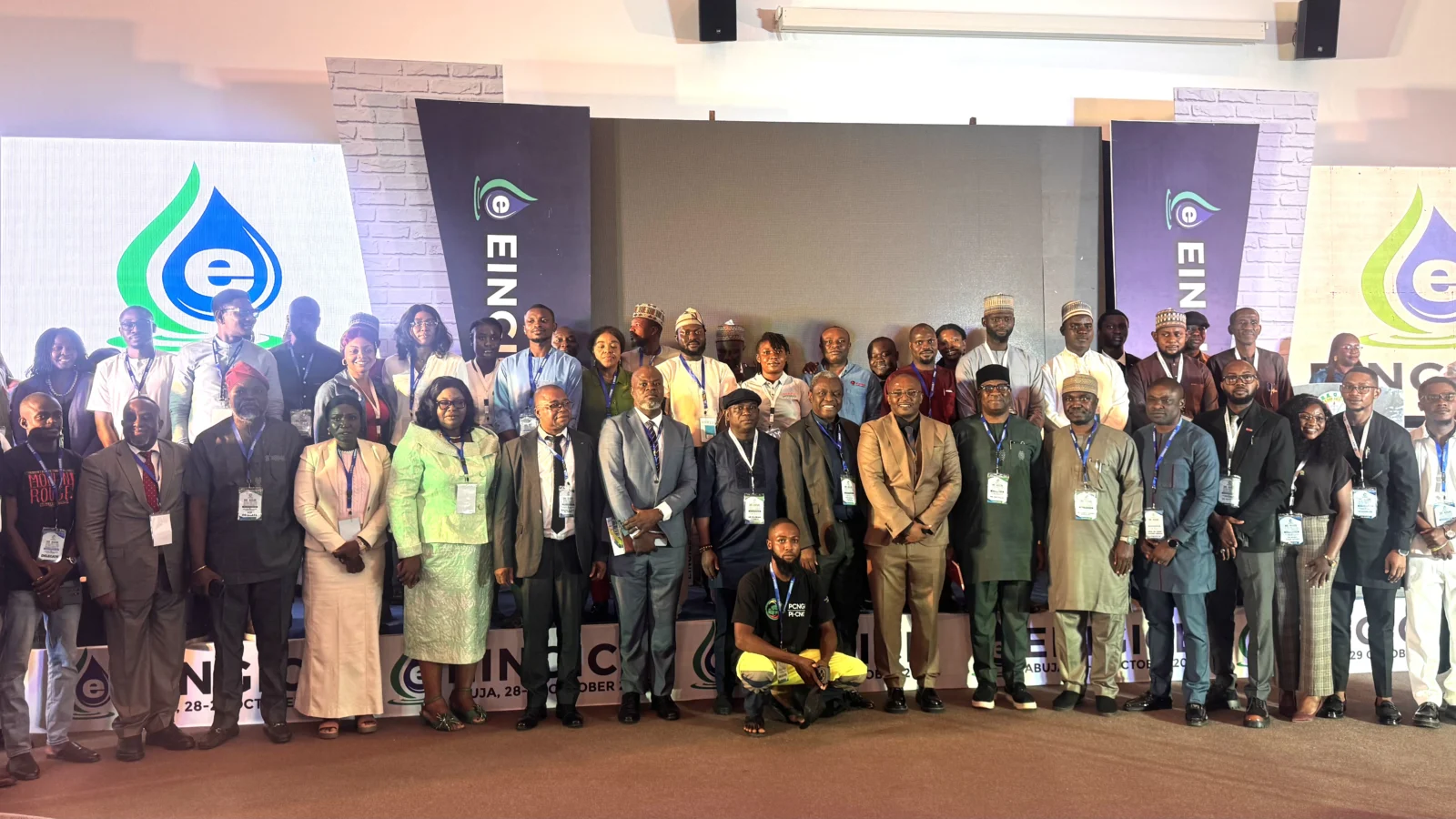
They made the call on Thursday at the ongoing 2026 Emogas International Natural Gas-Based Industry Conference and Exhibition (EINGICE) in Abuja.
The call highlight opportunities in commercialising local innovations and expanding gas-based industries.
Mr Bassey Rex, Chief Executive Officer, AfricEnergy and Infrastructure Ltd., and founder of Ikwe-Onna Refinery Ltd., said Nigeria had the technical capacity to develop home-grown energy technologies.
Rex said the country needed stronger support for entrepreneurs to commercialise innovations and move from consuming imported technologies to developing and exporting locally designed solutions.
“Africa has no shortage of talent. What we need is more companies, African-owned and African-built, that will turn that talent into products and services that people can pay for,” he said.
He identified predictive maintenance, pipeline inspection, project management, emissions monitoring and gas distribution as areas where AI, automation, sensors and data analytics could improve energy operations.
Rex said locally developed technologies should reflect Nigeria’s operating conditions, including high temperatures, humidity, unreliable electricity supply and limited connectivity in remote locations.
He explained that predictive maintenance could help operators identify potential equipment failures before production disruptions, reducing unplanned shutdowns and maintenance costs in refineries and gas-processing facilities.
Rex advocated stronger collaboration among energy operators, engineering firms, regulators, universities, research institutions and technology entrepreneurs to develop and test practical solutions.
He urged operators to identify specific technical challenges, provide startups with access to pilot sites and relevant data, and establish clear pathways for successful innovations to secure procurement contracts.
He also advocated improved access to seed funding, grants and venture capital, alongside mentorship, technical partnerships and regulatory guidance for entrepreneurs developing energy technologies.
Rex urged engineers to focus on measurable operational challenges rather than developing technology platforms without clearly defined customers or commercial applications.
“Pick one problem, not a platform, not a revolution. One problem, one type of customer, one number you can improve,” he said.
Similarly, Mr Felix Ogbe, Executive Secretary, Nigerian Content Development and Monitoring Board (NCDMB), said local content development should progress from participation to building globally competitive indigenous enterprises.
Ogbe, represented by Mr Suleiman Ozimede, General Manager, Midstream Monitoring Division, said the Nigerian Oil and Gas Industry Content Development Act had expanded indigenous participation across several industry segments.
He listed engineering, fabrication, marine services, manufacturing, logistics and information technology among other areas where Nigerian companies had established a presence.
Ogbe said the next phase of local content development required strategic investments in human capital, technology, innovation and institutional development.
He said the NCDMB had supported indigenous companies through financing interventions, including the Nigerian Content Intervention Fund, a revolving mechanism designed to extend support to eligible businesses.
Ogbe added that the Nigerian Content International Platform provided financing instruments, including asset acquisition and contract-related financing, to help companies overcome funding constraints.
He said financing should support productive capacity, technology commercialisation, improved efficiency and sustainable job creation rather than be measured solely by the amount disbursed.
Ogbe said emerging technologies were creating opportunities in predictive maintenance, asset integrity management, logistics, production optimisation, safety and operational efficiency.
He said the board supported digital skills development in AI, machine learning, data analytics, Python programming and cybersecurity.
Ogbe further said that NCDMB’s Technology Innovation and Incubation Centre supported technology evaluation, intellectual property development, mentoring and industry linkages.
He urged indigenous companies to export their services, products and technologies to other African markets, citing the African Continental Free Trade Area (AfCFTA) as an opportunity.
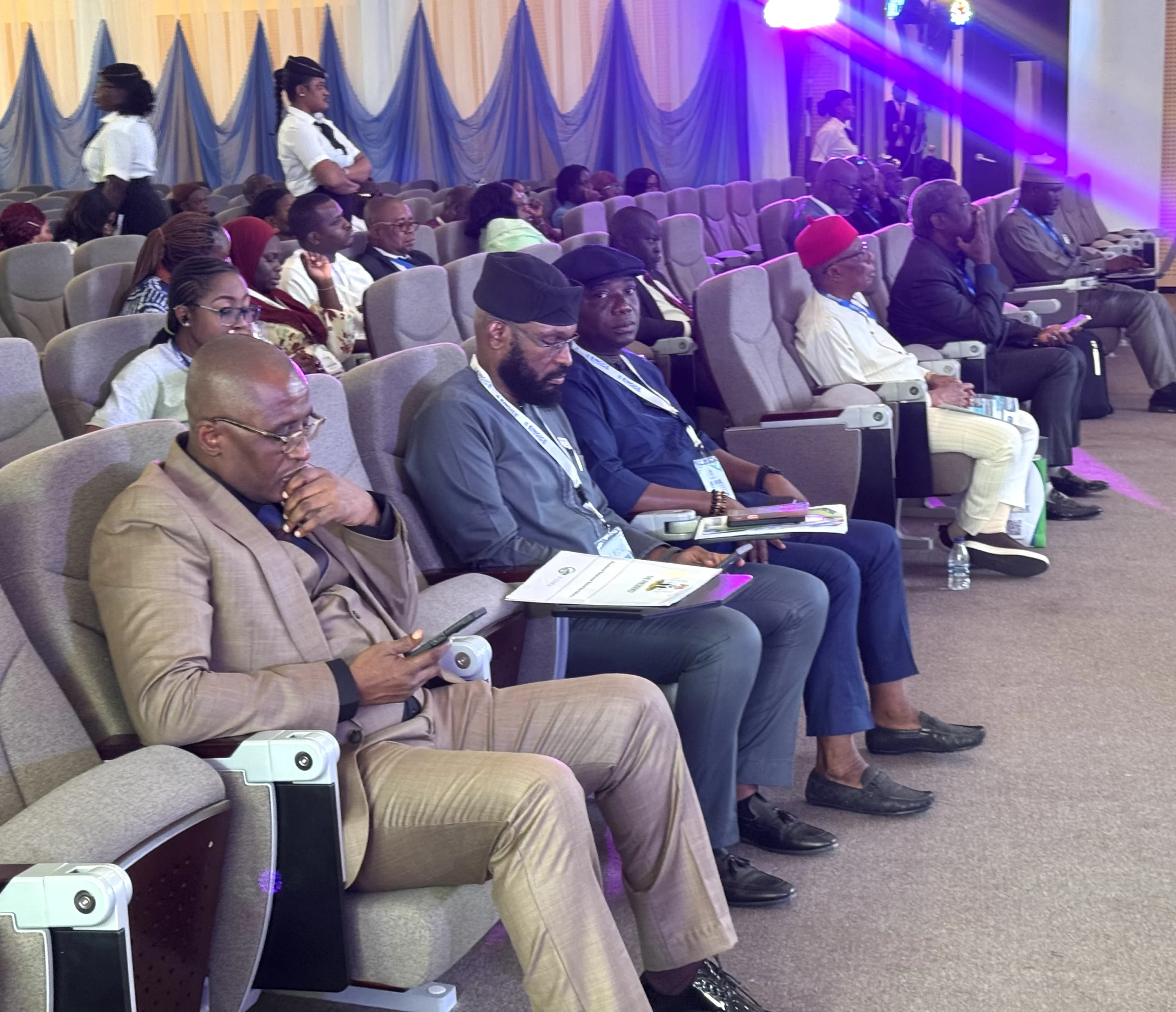 Mr Ismaeel Ahmed, Executive Chairman, Presidential Initiative on Compressed Natural Gas and Electric Vehicles (Pi-CNG and EV), called for greater utilisation of Nigeria’s natural gas resources.
Ahmed, represented by Omoh Imokhuede, Head of Technical Training and Capacity Development, said investments were growing across the Compressed Natural Gas (CNG) value chain.
He identified conversion centres, refuelling stations, vehicle deployment, technical training and local assembly as areas creating business and employment opportunities.
Ahmed said technology could improve infrastructure monitoring, safety, fleet management, performance tracking and investment decisions, making the gas industry more efficient and accountable.
He called for greater participation by private investors, researchers, manufacturers, innovators and entrepreneurs in developing Nigeria’s gas industry.
Ahmed said the goal was to translate the country’s gas resources into affordable transportation, new businesses and broader economic opportunities.
In a presentation, Dr Stella Okene, Group Chief Executive Officer, Stelog Energy Group Ltd., called for stronger AI-powered engineering capabilities across Africa’s energy industry.
Okene said African energy companies should move beyond local contract participation towards technology ownership and globally competitive engineering expertise.
She identified local data infrastructure, AI-driven production forecasting, well-performance monitoring, predictive maintenance and geological data analysis as priorities for improving competitiveness.
Okene also advocated technical training, partnerships with technology providers and universities, and regional centres of excellence for research, training and certification as other areas deserving more attention.
She cited Stelog Energy Group’s collaborations with American technology companies, including Honeywell, to strengthen AI-enabled wellhead monitoring, predictive maintenance and geological data analysis for hydrocarbon exploration.
Okene said African companies needed to build technical expertise and develop locally relevant solutions capable of competing in international markets.
NAN reports that EINGICE 2026 brought together government, industry and academic stakeholders to discuss gas development, industrialisation and emerging energy technologies. (NAN)
Edited by Uche Anunne
Comments